Material Research
Sustainable Ceramics
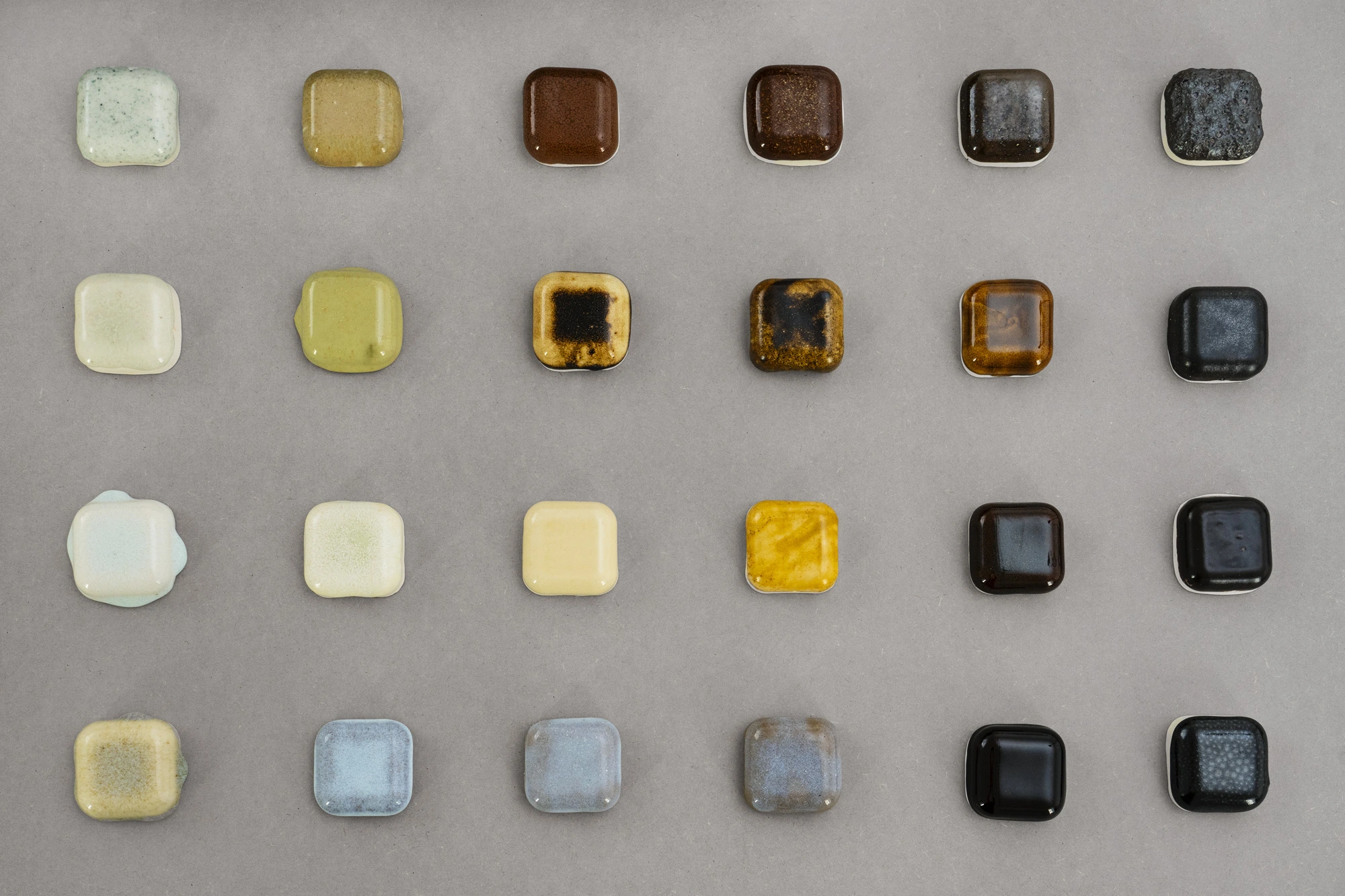
Christina Schou Christensen develops experimental ceramic materials using waste and locally sourced raw materials. Her research explores how ceramic waste, glass waste, quarry waste and other high-fired materials can be transformed into new clay bodies and glazes. Her approach builds on a long-standing practice of experimentation with clay, glaze and firing, where the behaviour of materials and the kiln becomes an active part of the creative process.
Through her material research, Christina investigates how waste materials can become new resources, not only within artistic and ceramic practice, but also in relation to design, production and architecture. Her work can support artists, architects, designers, manufacturers and companies in exploring how waste streams can be transformed into new materials and products, creating more sustainable and circular approaches to production.
Projects
Experimental Glazes
by Christina Schou Christensen
Discover
Experimentalglazes.dk
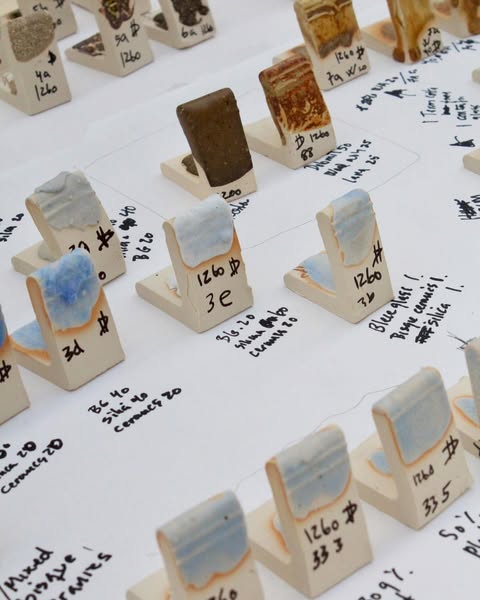
Experimental Glazes explores experimental methods within ceramic glaze development, helping artists and ceramicists develop new expressions through hands-on experimentation with materials and firing.
Experimental Glazes offers online courses, physical in-studio courses, as well as 1:1 mentoring and guidance. Dates and locations are announced on the Instagram profile @experimental.glazes.
Courses are offered when time and space allows it. Christina Schou Christensen is also an associate professor at the Royal Danish Academy of Crafts and has years of experience with the experimental approach that she has developed.
The approach is hands-on and engaging. You learn by doing, and heavy math and chemistry are not on the initial programme, so don’t be afraid of being put off by too much information or calculation. Christina's experience with this method shows that it works. It gives motivation and drive towards making your own experiments – and the side effect of this method is that you learn how different raw materials actually interact with each other. Christina’s mantra is letting the materials and kilns show the way – instead of chasing a vision in your mind. Feel free to get in contact to hear about opportunities for guidance and mentoring.
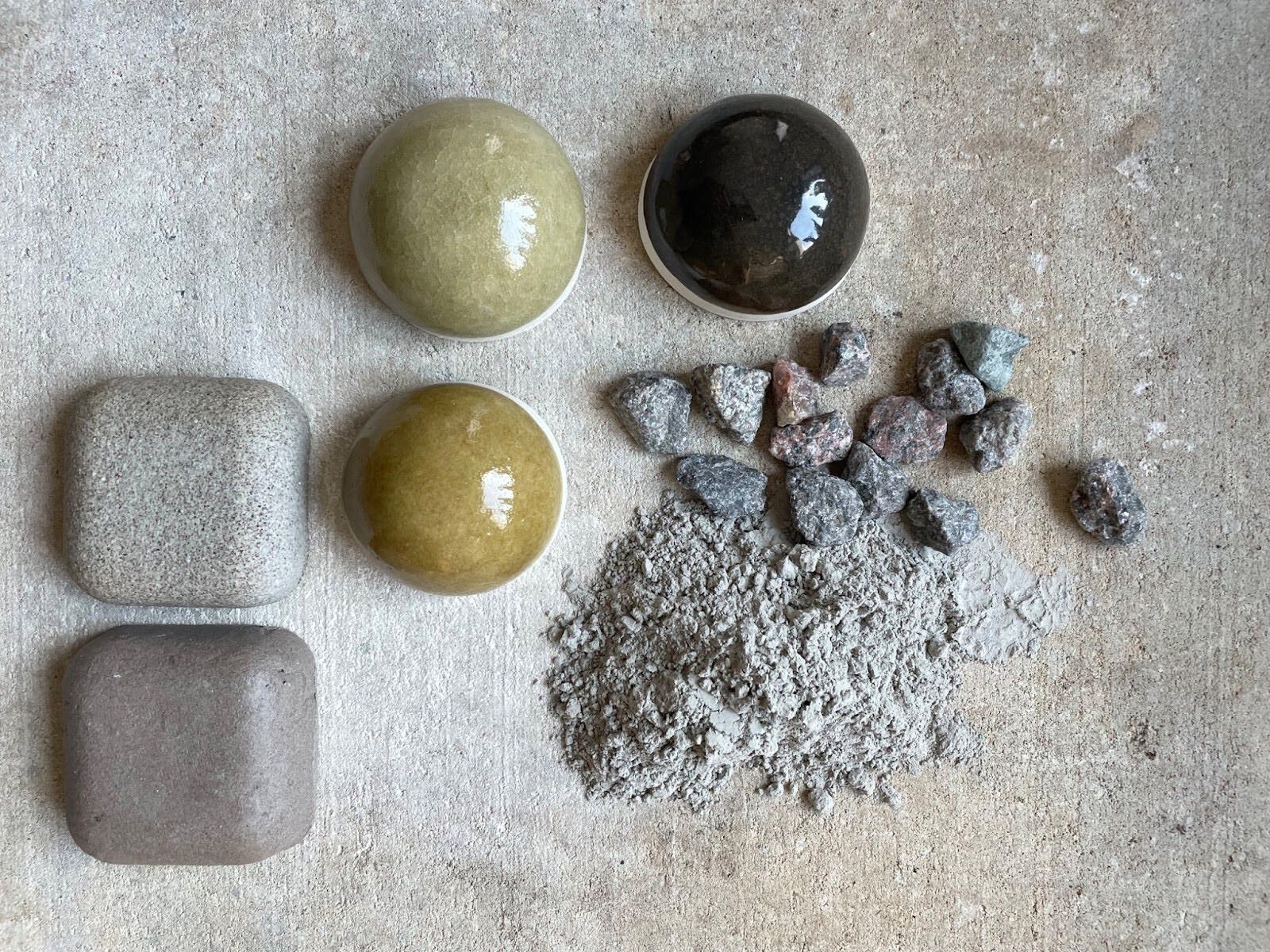
Through its work with high-fired waste and materials from local quarries, Experimental Glazes develops new clay bodies and glazes and also offers crushed materials and ready-mixed glazes for purchase.
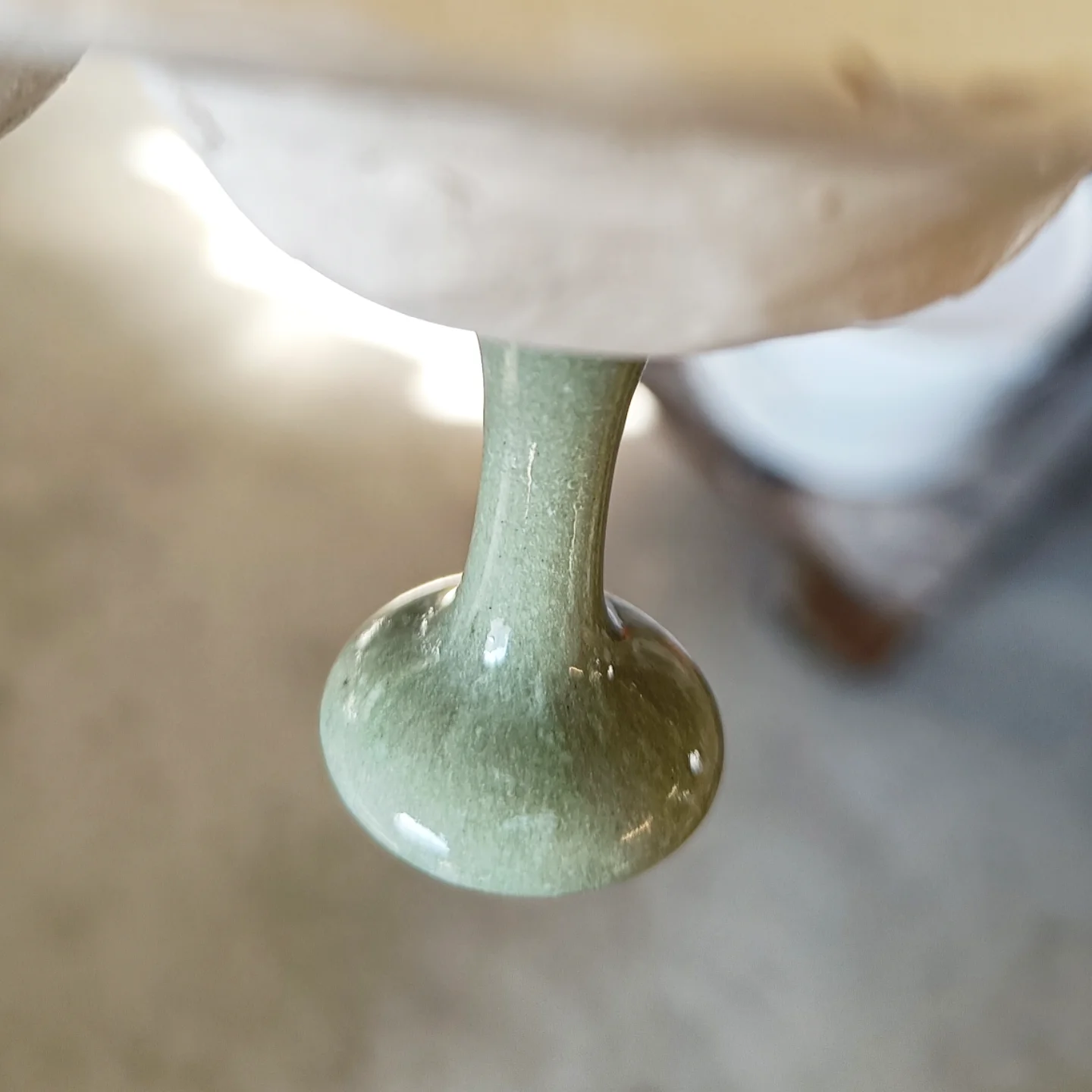
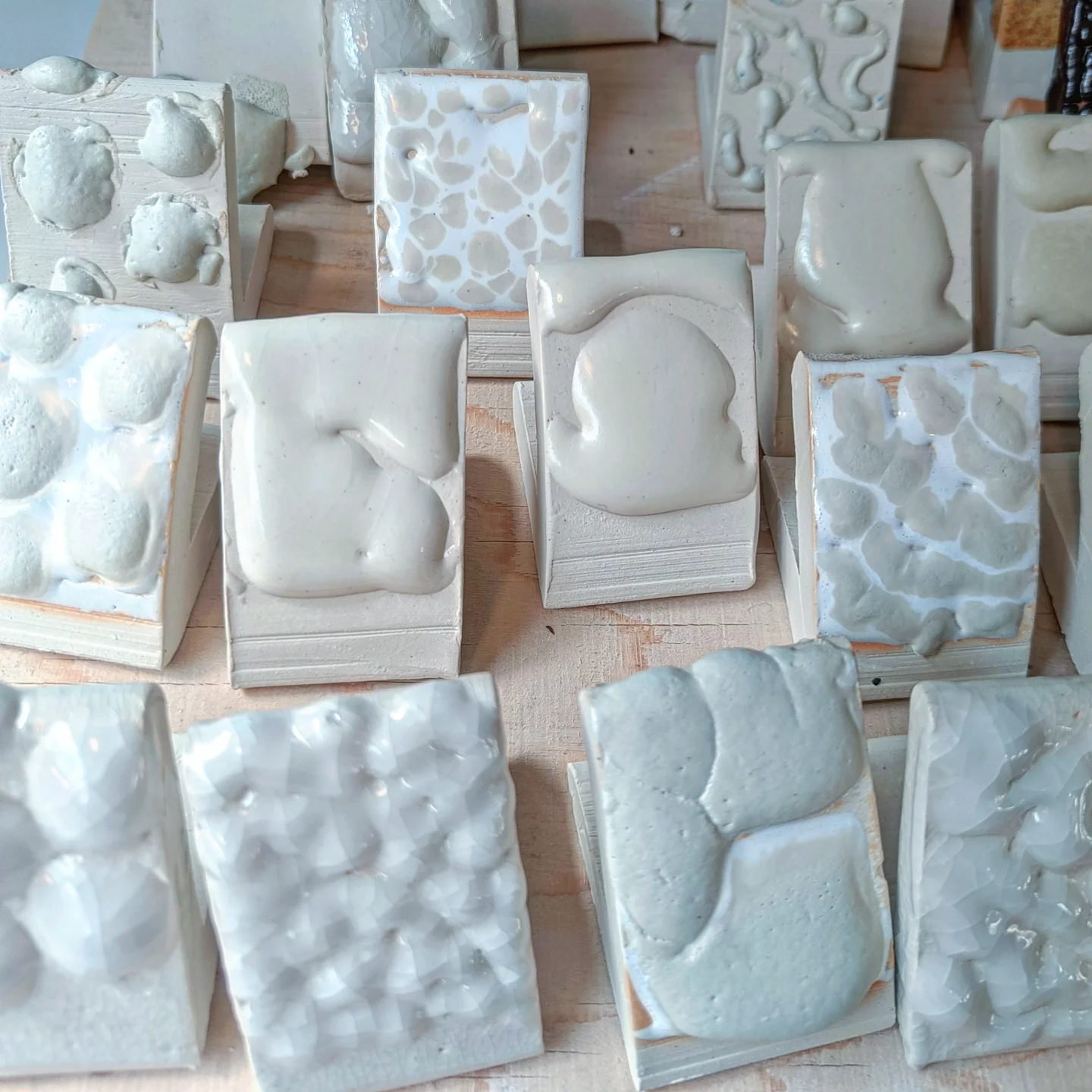
Ødeland is an artistic research project by ceramicists Christina Schou Christensen, Signe Fensholt and Thora Finnsdottir, exploring the aesthetic and material potential of high-fired waste. The collaboration investigates how ceramic, glass and stone waste can become new resources, offering alternatives to virgin raw materials in ceramic production.
Ødeland was first presented at Officinet in Copenhagen in March 2025, in collaboration with Bornholm’s municipal waste management company BOFA. In 2026, the project was presented at NCECA in Detroit, featuring an expanded collection of experimental glazes and clay bodies. The project continues to develop through exhibitions, material research and knowledge sharing.
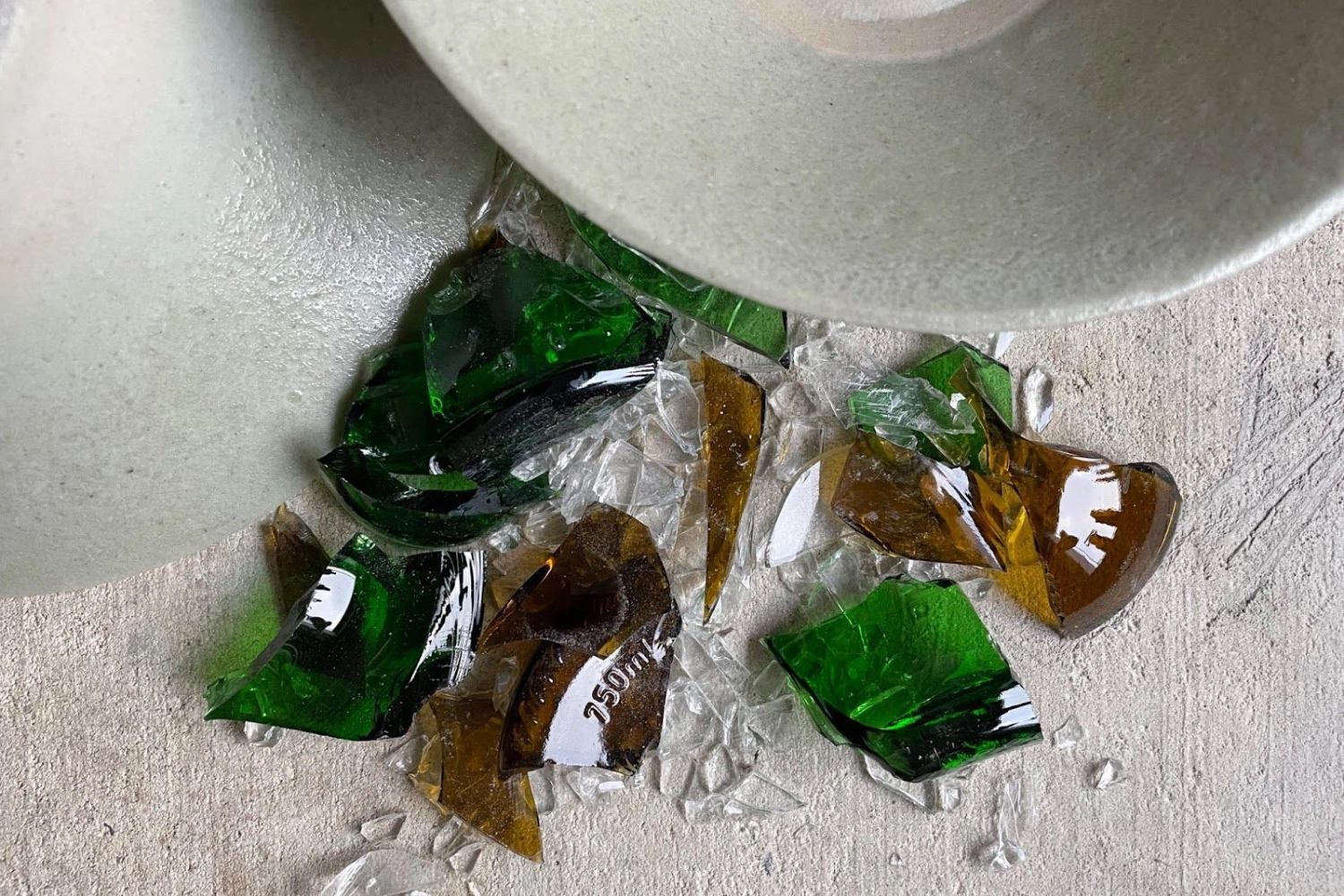
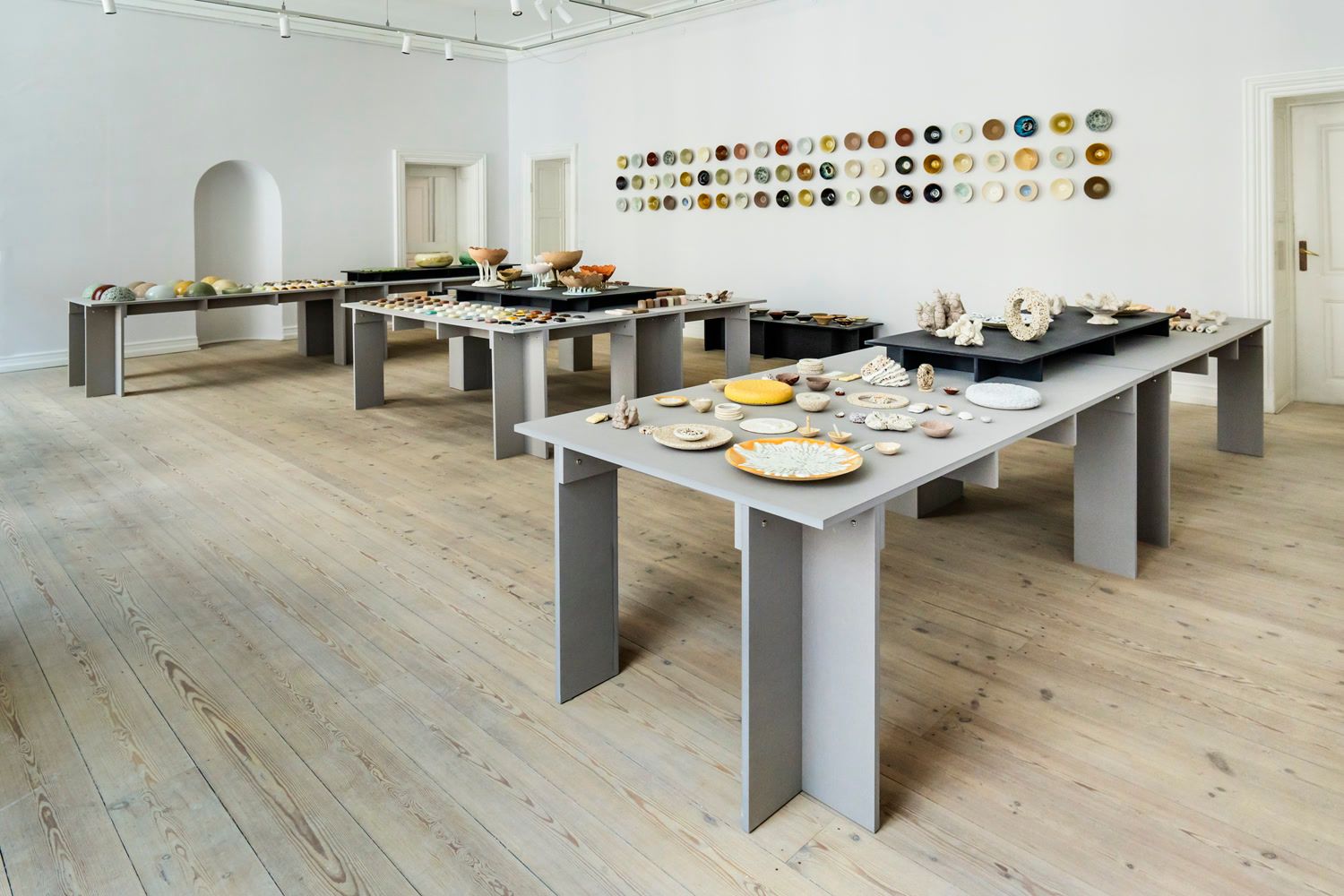
Christina Schou Christensen offers consultancy to companies, manufacturers and organisations looking to transform high-fired waste into new ceramic materials and products. She works with the development of ceramic materials and glazes containing high-fired waste and other secondary raw materials.
CSC Keramik has extensive knowledge of how high-fired waste — from earthenware and bricks to high-fired porcelain and sanitary ware such as toilets and sinks — can be transformed and reused in new clay and glaze formulations. This also includes glass waste and waste from local quarries on the island of Bornholm.
These approaches can contribute to more sustainable ceramic production and may open up new possibilities for turning waste streams into valuable materials and products. They may also be relevant to future material applications in architecture and the built environment.
As one example, CSC Keramik has transformed broken terracotta flowerpots from a Danish company selling high-end flower pots into a casting slip containing 60% crushed shards from the original flowerpots.
Within the Ødeland project, you can also see the variety of high-end expressions that these waste materials can be transformed into.
Feel free to get in touch if you would like to explore how your own waste streams could be transformed into new materials, or if you are looking for inspiration on how to make studio practice, large-scale production or architectural material choices more circular, sustainable and waste-based.